
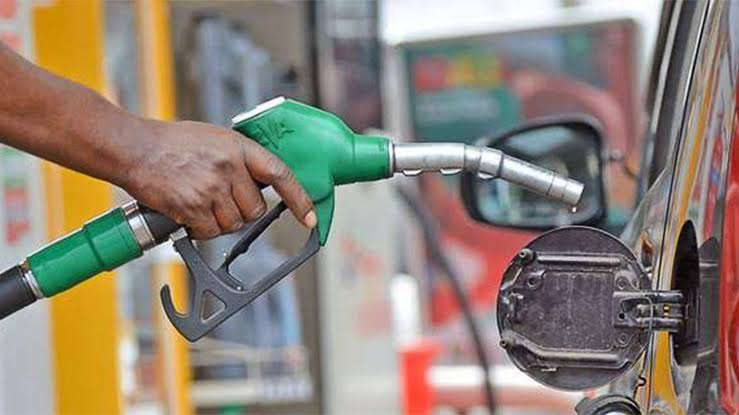
Motorists in Abuja are facing another increase in the price of Premium Motor Spirit, popularly known as petrol, with some filling stations in the Federal Capital Territory now selling the product for as much as ₦1,350 per litre.
Checks in parts of Abuja showed significant variations in pump prices among filling stations, with some independent marketers already adjusting their rates following a fresh increase in the price of petrol supplied by the Dangote Petroleum Refinery.
The Nigerian National Petroleum Company Limited also raised its pump price at some of its Abuja outlets to ₦1,345 per litre, up from ₦1,270, representing a ₦75 increase. NNPCL stations in areas including Gwarinpa and Wuse Zones 4 and 6 were reportedly dispensing petrol at the new rate on Monday.
Some independent stations have also pushed their prices higher. Reports indicated that MRS, Ranoil, Empire Energy and other marketers increased their pump prices by between ₦20 and ₦80 per litre.
The latest development followed another increase by the Dangote Petroleum Refinery, which raised its petrol gantry price by ₦65, from ₦1,200 to ₦1,265 per litre, effective August 29. The adjustment marked another increase within a short period and has contributed to the latest changes in retail prices across the country.
Across Nigeria, petrol prices have now risen to between about ₦1,310 and ₦1,400 per litre, with northern locations and areas farther from the refinery recording some of the highest prices.
The increases have sparked concern among motorists, particularly those who depend on private vehicles for their daily movement.
Some motorists said the rising cost of petrol was putting additional pressure on their daily budgets, while others expressed concern that higher transportation costs would eventually push up the prices of food and other essential commodities.
The latest development is coming despite a recent decline in international crude oil prices. Vanguard reported that crude prices fell from about $92 per barrel to $87.31, even as domestic petrol prices continued to rise. Analysts attributed the divergence to factors beyond crude prices, including refining margins, local supply conditions, logistics, exchange rates, storage and depot charges.
The situation has also raised fresh concerns about the relationship between locally refined petrol and imported products. Data from the Nigerian Midstream and Downstream Petroleum Regulatory Authority showed that petrol imports accounted for 43.3 per cent of total supply in July.
Dangote Refinery has meanwhile expressed concern over the volume of imported petrol entering the Nigerian market, saying the uncertainty makes it difficult to plan domestic supply and manage inventory. The refinery said surplus products could be redirected to regional or international markets if the domestic market could not absorb them.
With petrol prices continuing to fluctuate, motorists and other consumers are increasingly calling for stability in the downstream petroleum market, amid fears that further increases could worsen transportation costs and household expenses.
Leave a Reply