
By Folorunso Fatai Adisa
There are moments in politics when words carry a weight far beyond their literal meaning. The word “father” is one of them. In Nigerian political culture, it can signify more than age or family ties; it may represent mentorship, loyalty, protection, influence and the expectation that those relationships should survive moments of disagreement and political tension.
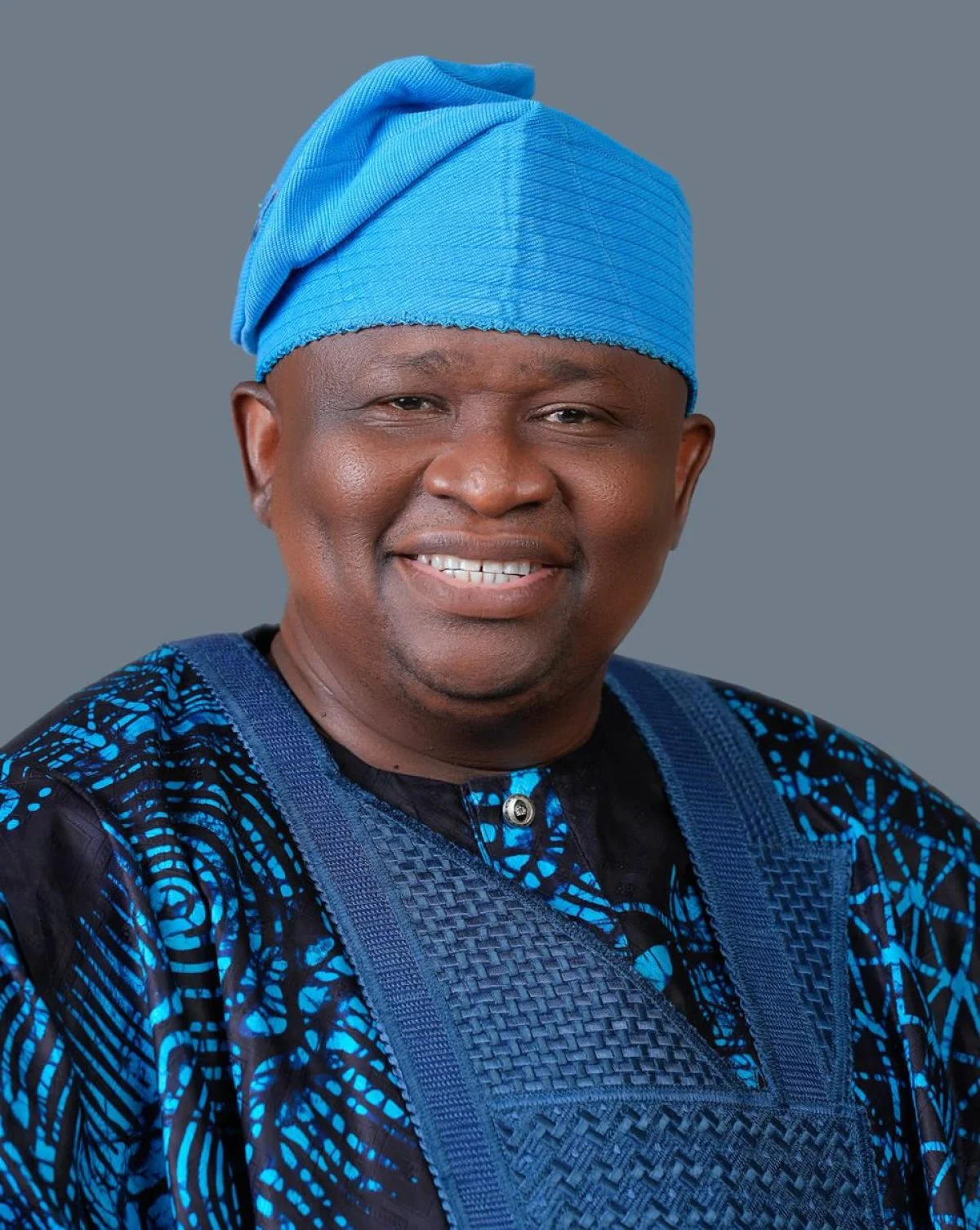
This is the context in which the relationship involving Senator Solomon Olamilekan Adeola, popularly known as YAYI, and his political allies and seniors deserves closer attention.
YAYI has, over the years, built a political profile that has taken him from the Lagos State House of Assembly to the National Assembly and into the centre of political conversations in Ogun State. His growing influence has become particularly significant as political actors position themselves ahead of the 2027 governorship contest.
For supporters of YAYI, his political journey represents more than personal ambition. They see it as part of a broader attempt to position Ogun West, particularly the Yewa people, for a stronger claim to the governorship of the state.
The argument is rooted in the long-running question of political balance in Ogun State. As the 2027 election approaches, the Yewa agenda has increasingly become a major subject of discussion, with different political interests seeking to determine who can best carry the aspirations of the zone.
YAYI’s supporters point to his experience in public office, his political network and his activities as evidence that he has developed the capacity to lead. His emergence has therefore generated both strong support and opposition, as is often the case when political contests become competitive.
But politics is rarely only about candidates. It is also about relationships.
Behind every major political journey are individuals who provide guidance, encouragement, opportunities and platforms. In Nigeria, such relationships are frequently described using familial language. A political mentor becomes “father,” while a younger politician becomes “son.” These descriptions create expectations of loyalty, responsibility and protection.
That is why the expression that YAYI calls someone “father” becomes particularly significant. If someone accepts the role of a political father, the relationship should ideally extend beyond moments when interests align. Fatherhood, whether biological or political, carries responsibilities that become even more important when the son is facing difficult circumstances.
The phrase therefore raises a broader question about political mentorship in Nigeria: What does it really mean to call someone a father?
Is it simply a title used when political interests coincide, or does it create a moral obligation to protect, guide and stand by the younger person when political disagreements emerge?
These questions become especially relevant in an environment where political alliances can change rapidly and former allies can suddenly find themselves on opposite sides of a political contest.
YAYI’s rise has already demonstrated how quickly political calculations can evolve. His movement from Lagos politics into Ogun’s political arena has placed him among the major figures being watched as the state moves towards another crucial electoral cycle.
His supporters argue that his political trajectory should be assessed through his record rather than through labels or attempts to question his belonging. The debate over whether he should be regarded as an outsider or an indigenous son of Ogun has also featured prominently in the political conversation.
Yet, beyond the arguments over origin and political identity, the more important question remains what any aspirant can offer the people.
Politics should ultimately be about service. Voters are entitled to ask who has the competence, character, experience and vision to improve their lives. They should be interested in roads, healthcare, education, employment, security, agriculture and economic opportunities rather than allowing political rhetoric to completely define their choices.
For Ogun West, the 2027 election presents an opportunity to turn years of political conversations about inclusion into a serious discussion about governance.
YAYI’s emergence has therefore become symbolic for many people in the zone. To his supporters, his candidacy represents the possibility of breaking a longstanding political pattern and giving Ogun West a stronger opportunity to occupy the governorship.
But with such expectations comes responsibility. Anyone seeking the highest political office in the state must be prepared to demonstrate that ambition is not merely about occupying power but about using power responsibly.
The same principle applies to those who describe themselves as political fathers, mentors or godfathers. Influence should not be measured only by the ability to install political successors. It should also be measured by the willingness to nurture people, tolerate disagreement and protect democratic values.
Political relationships should not become instruments for permanent control. A healthy political mentorship should produce leaders who can eventually stand on their own, make independent decisions and contribute meaningfully to society.
As Ogun State gradually moves towards the 2027 election, the conversation surrounding YAYI will undoubtedly become louder. Supporters will continue to highlight his political experience and achievements, while opponents will scrutinise his record and challenge his claims.
That is the nature of democracy.
What should remain constant, however, is the need for politics to retain its humanity. Behind every political calculation are people, relationships, aspirations and lives that can be affected by decisions made by those in positions of influence.
And perhaps that is the deeper meaning behind the phrase: when a man calls you father, it should mean something.
Not merely when he agrees with you.
Not merely when he needs your support.
But especially when the political road becomes difficult.
Leave a Reply