
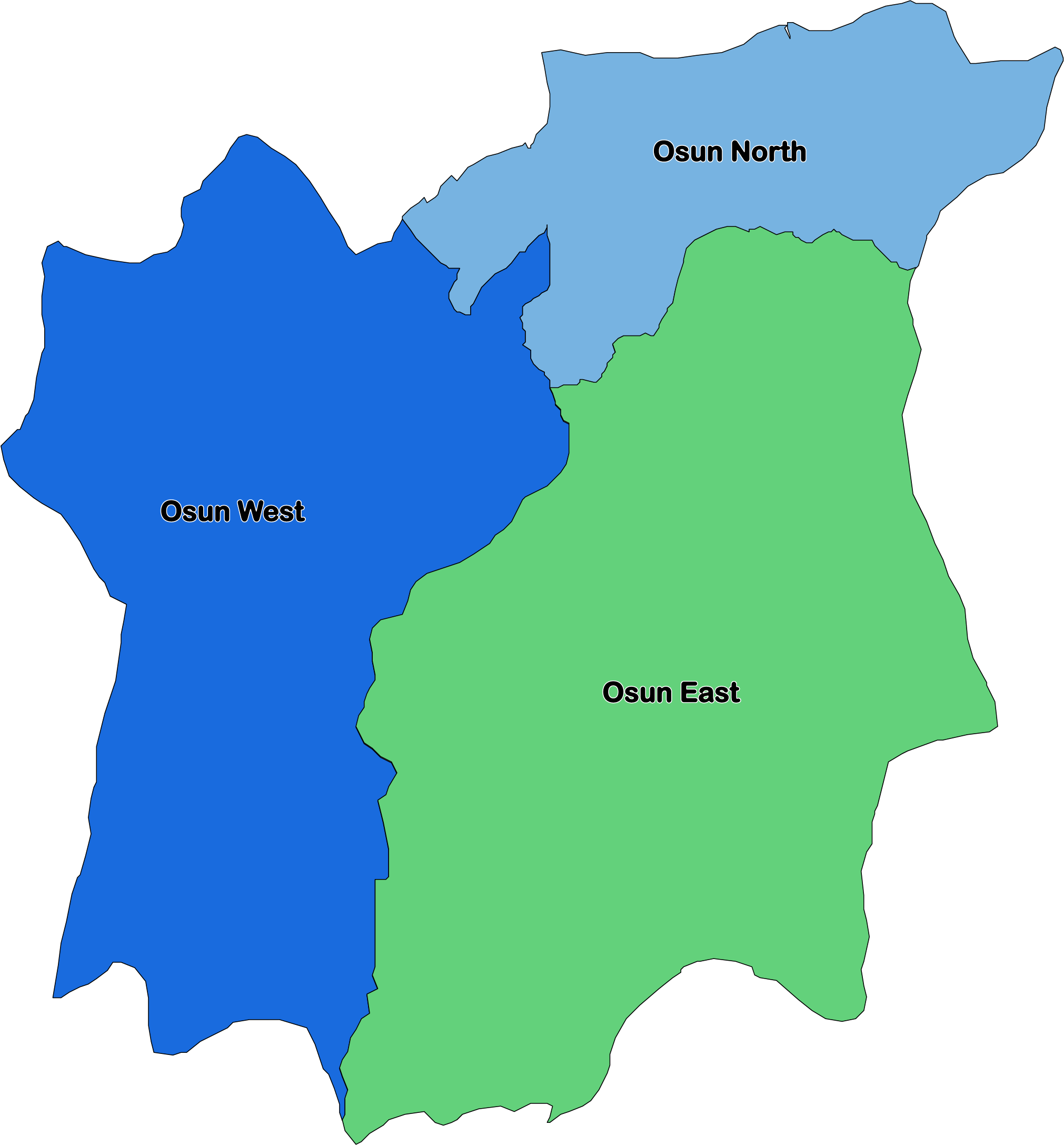
Osun Turns 35: From a Long-Fought Dream to a State Still Evolving Osun State is celebrating its 35th creation anniversary today, August 27, 2026, marking three and a half decades of political evolution, cultural heritage and the continuing aspirations of its people.
The state was created from the old Oyo State on August 27, 1991, following decades of agitation for an autonomous political entity. The struggle dates back to the 1950s, when traditional rulers and residents in the area sought greater autonomy from the Ibadan District Native Authority, with Osogbo eventually becoming the state capital.
The name Osun carries a history much older than the state itself. The state takes its name from the River Osun, which is closely associated with Ọ̀ṣun, the revered Yoruba river deity. The connection remains strongly represented by the Osun-Osogbo Sacred Grove, a cultural and spiritual landmark in Osogbo that was inscribed on the UNESCO World Heritage List in 2005.
Despite its relatively small geographical size, Osun has a significant population. According to the Osun State Government, it is the ninth-smallest of Nigeria’s 36 states by area and the 19th most populous, with an estimated population of about 4.7 million based on its 2016 estimate.
Over the past 35 years, the state has passed through different political administrations while recording developments across areas including education, healthcare, infrastructure, agriculture and tourism. At the same time, its traditional institutions, festivals and cultural practices have continued to shape its identity.
The anniversary comes at an important moment for Osun, following the recent governorship election and the tensions that accompanied it. In his anniversary broadcast today, Governor Ademola Adeleke called for peace and unity, while acknowledging the sacrifices and losses associated with the recent political period. He also announced plans for a Commission of Inquiry into election violence.
As Osun moves beyond its 35th year, the expectations remain high. Better economic opportunities, stronger infrastructure, quality education and healthcare, youth development, security and improved living conditions remain important parts of the conversation about the state’s future.
Thirty-five years after a long-fought dream became a political reality, Osun continues to evolve. Its history and cultural heritage have given it a distinctive identity, but its next chapter will depend on how effectively its people and leaders turn that heritage, human potential and resources into sustainable development.
As the state celebrates 35 years today, the anniversary is therefore not only a moment to look back at the journey so far, but also an opportunity to ask what kind of Osun the next generation will inherit.
Leave a Reply