
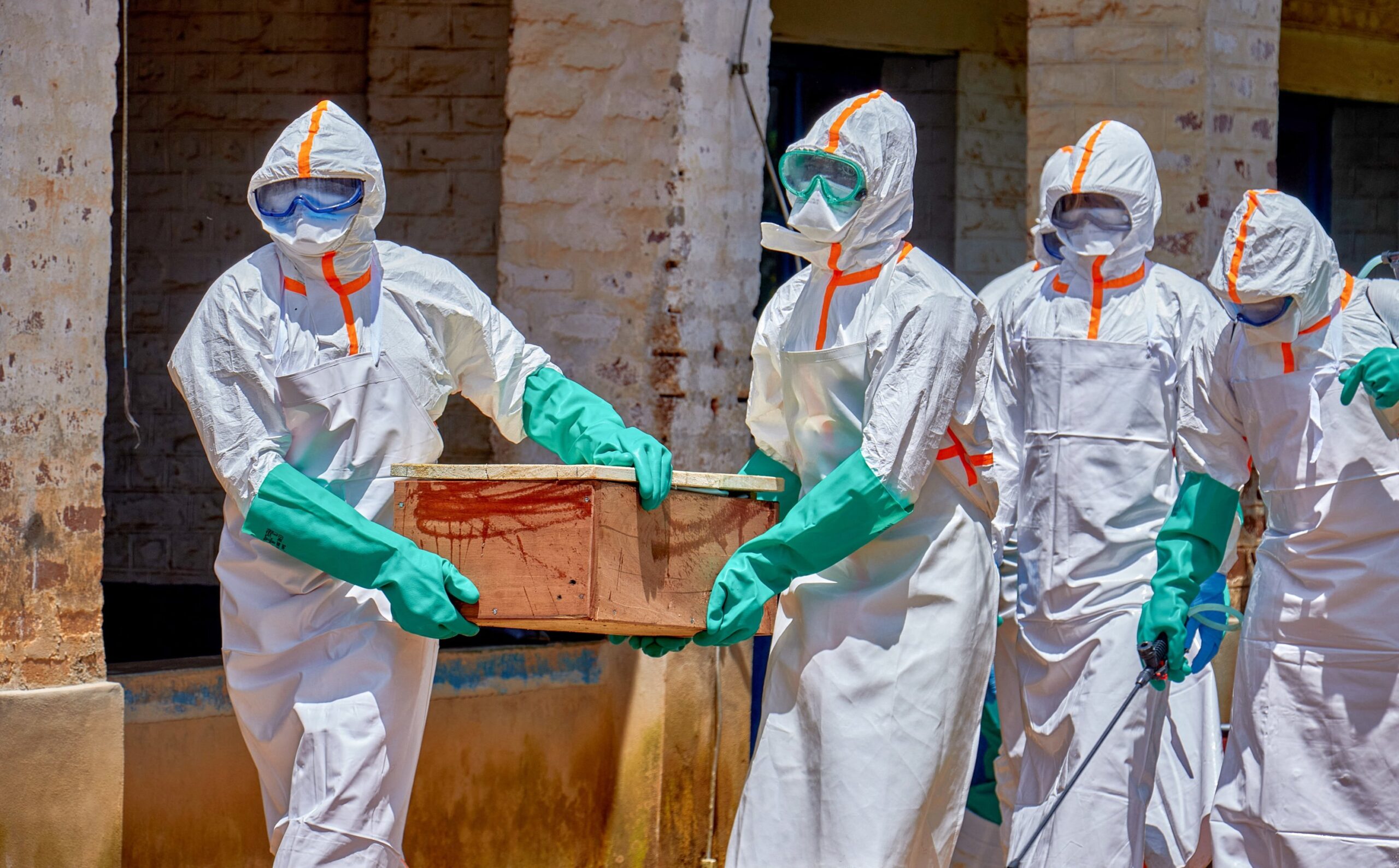
The Ebola outbreak in the Democratic Republic of the Congo has reached a critical point, with more than 3,000 people now confirmed dead as health authorities and international organisations intensify efforts to contain the rapidly expanding disease.
Latest figures from the Congolese government show that the outbreak has recorded 6,186 confirmed cases and 3,007 deaths as of August 31, giving the outbreak a case-fatality rate of about 48.6 per cent. A further 1,409 patients have recovered, while 830 people remain in isolation or Ebola treatment centres.
The development has heightened concern among health authorities because the outbreak, driven by the Bundibugyo strain of Ebola, has continued spreading despite ongoing surveillance, treatment, contact tracing and other containment measures.
According to reports, the disease has now affected 60 health zones across six provinces, including Ituri, North Kivu, South Kivu, Haut-Uele, Tshopo and Bas-Uele. The outbreak was officially declared in May after cases were detected in Ituri Province, although health experts believe transmission may have started months earlier.
Response struggles to keep pace
The United Nations has warned that the international response needs to move faster than the virus, as difficulties in detecting cases and reaching affected communities continue to undermine containment efforts. Reuters also reported that around 60 per cent of deaths are occurring outside treatment centres, highlighting the challenge of identifying infected people early enough for medical intervention.
Health officials have identified several factors contributing to the spread, including weak disease surveillance, insecurity in affected areas, limited healthcare infrastructure and resistance within some communities.
The situation is particularly difficult in parts of eastern DR Congo where insecurity has made it harder for health workers to reach communities, trace contacts and maintain consistent surveillance.
The outbreak is also significant because Bundibugyo Ebola is different from the Zaire strain responsible for previous major Ebola outbreaks in West Africa and the DR Congo. The World Health Organisation says there is currently no approved vaccine or specific treatment for Bundibugyo virus disease, although vaccine and treatment candidates are being studied.
Authorities have nevertheless begun using available tools to protect frontline health workers. The Ervebo vaccine, which is approved for the Zaire strain, has been deployed among some frontline workers because of the urgent need to strengthen protection, although it is not an approved vaccine specifically for Bundibugyo Ebola.
The United Kingdom has also pledged more than £50 million in additional support to help strengthen the response in DR Congo, underlining the growing international concern over the outbreak.
What Nigerians should know about Ebola
Although the current outbreak is centred in DR Congo and there is no indication from the sources reviewed that Nigeria is experiencing a confirmed Ebola outbreak, Nigerian health authorities have continued to maintain preparedness because of the possibility of international movement of infectious diseases.
The Nigeria Centre for Disease Control and Prevention had earlier issued a national public health advisory on preparedness for Bundibugyo Ebola following the outbreak in Central Africa.
Ebola is primarily transmitted through direct contact with the blood or other bodily fluids of an infected person, or through contaminated objects and surfaces. The virus can also spread through contact with the body of someone who has died from the disease, making unsafe burial practices a significant transmission risk.
Symptoms can appear between two and 21 days after infection. Early signs may include sudden fever, tiredness, muscle pain, headache and sore throat. These can be followed by vomiting, diarrhoea, abdominal pain, rash and problems affecting the kidneys and liver. Bleeding can occur in some patients, although it is not necessarily present in every case.
Because the early symptoms can resemble illnesses such as malaria and typhoid fever, laboratory testing is important for confirming Ebola infection.
The WHO advises people in affected areas to maintain good hand hygiene, avoid contact with suspected or confirmed cases, avoid handling bodies of people who may have died from Ebola without proper protection, and seek medical attention quickly when symptoms appear.
Meanwhile, the scale of the DR Congo outbreak has made early detection and rapid treatment increasingly important as health authorities attempt to prevent the virus from spreading further across the region.
Leave a Reply