
The Independent National Electoral Commission has raised concerns over the growing use of artificial intelligence to produce and circulate disinformation, warning that the technology could undermine public trust and the credibility of Nigeria’s 2027 general elections.
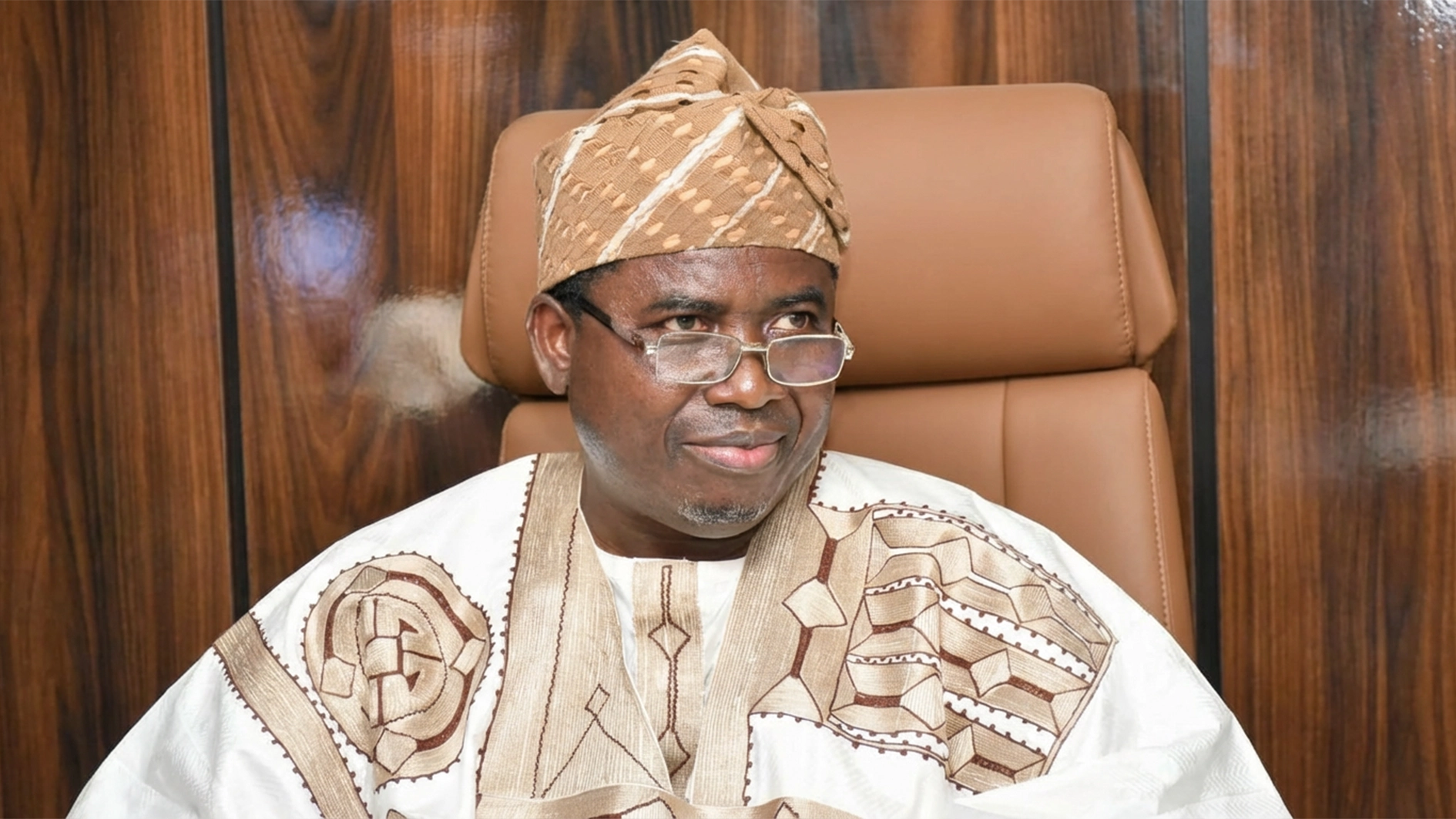
INEC Chairman, Professor Joash Amupitan, SAN, disclosed the concern in Abuja on Wednesday during the 13th Annual International Conference of the Association of Communication Scholars and Professionals of Nigeria.
Amupitan, who was represented at the event by an INEC National Commissioner, Sani Adam, SAN, said electoral technology and communication could no longer be treated as separate aspects of election management.
According to him, advances in generative artificial intelligence have made it cheaper and increasingly difficult to detect manipulated audio, videos and images capable of misleading voters.
He warned that the danger goes beyond fabricated content, noting that algorithmic microtargeting could allow different and even contradictory political messages to be directed at specific groups of voters without a common factual basis.
The INEC chairman said such content could spread to millions of social media users before electoral authorities, journalists or fact-checkers are able to verify and correct the claims.
He further noted that manipulated political content had already featured in electoral environments across parts of West and East Africa, making the issue a growing concern ahead of Nigeria’s 2027 polls.
Amupitan said the credibility of an election now depends not only on the integrity of the ballot, accreditation systems and result sheets, but also on whether voters can understand and trust information about the electoral process.
He therefore called for stronger collaboration among INEC, media professionals, technology experts, academics and other stakeholders to improve public understanding and protect the information environment ahead of the elections.
Beyond the disinformation threat, the commission is also reviewing its technological preparedness for the 2027 elections. Amupitan disclosed that INEC was conducting a comprehensive audit of its electoral technology systems, including system redundancy, penetration testing and disaster recovery arrangements.
The commission is also considering a mock presidential election to test voter accreditation, result transmission and result viewing under conditions similar to those expected on election day.
Amupitan added that INEC had proposed a substantial budget for election technology and operations, including new accreditation devices to replace those lost or damaged during the previous electoral cycle.
He said the commission was still awaiting the full release of the funds, although its ICT team had commenced engagements with manufacturers while preparations for the technology audit and proposed mock election continued.
Nigeria’s presidential and National Assembly elections are scheduled for January 16, 2027, while the governorship and State House of Assembly elections are scheduled for February 6, 2027.
The commission’s latest warning comes as Nigeria’s political space increasingly moves online, making the ability to identify, verify and counter manipulated digital content an important part of protecting voters and maintaining confidence in the 2027 electoral process.
Leave a Reply