
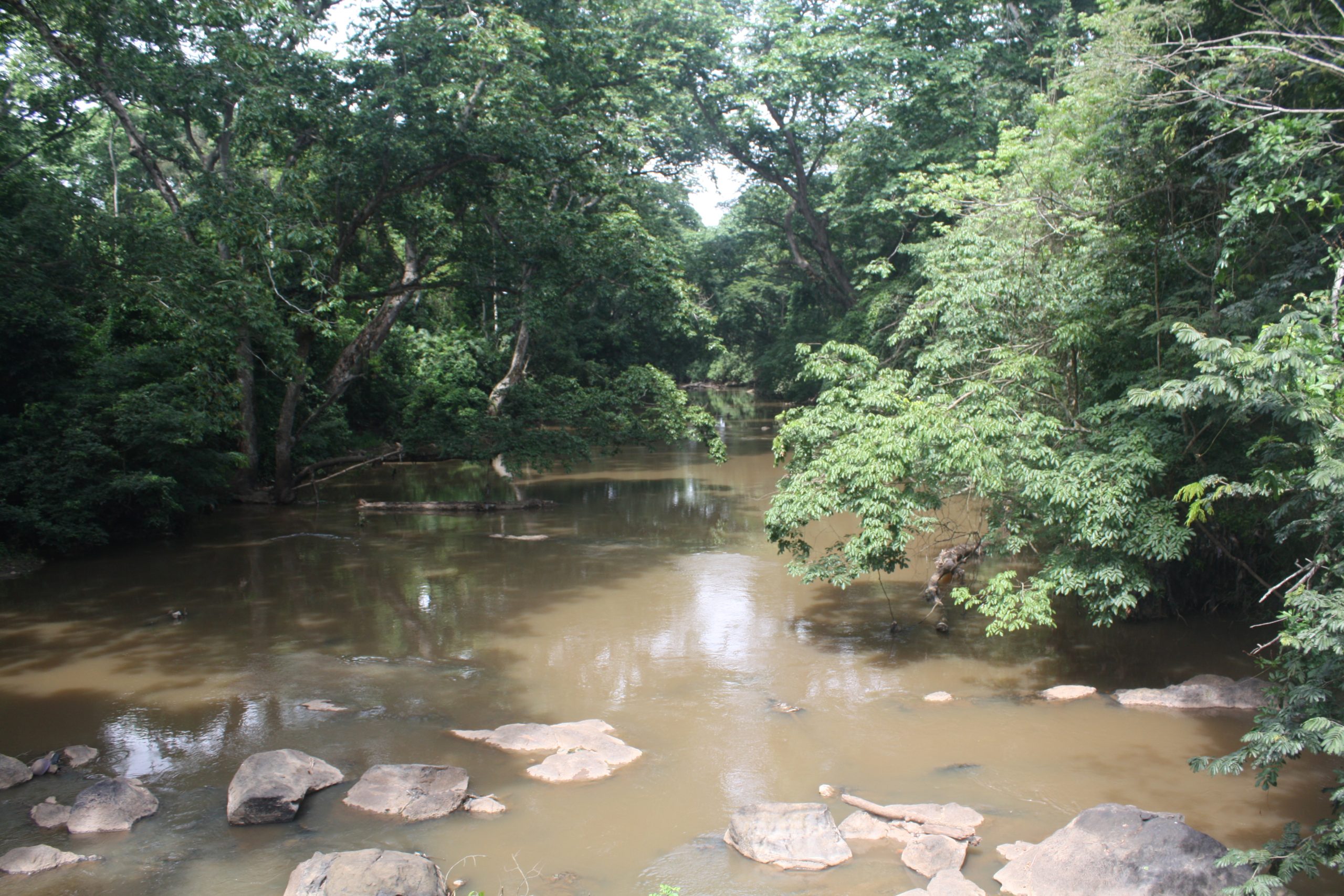
The story of Osun-Osogbo is deeply rooted in the history, culture, spirituality and traditions of the Yoruba people. At the centre of this heritage is the Osun River, a sacred waterway that flows through the ancient forest known today as the Osun-Osogbo Sacred Grove in Osogbo, Osun State.
The Osun River is traditionally associated with Ọ̀ṣun, the Yoruba goddess of the river, fertility, healing, protection and prosperity. For generations, the river and the surrounding forest have been regarded as sacred by the people of Osogbo, with the grove serving as a place where traditional religious practices, festivals and cultural traditions continue to be observed.
According to Yoruba oral tradition documented in the UNESCO records, the history of Osogbo is closely connected to two figures, Larooye, the ruler of Ipole-Omu, and Olutimehin, a renowned elephant hunter. The traditional account says that Ipole-Omu was experiencing a severe drought, which made life difficult for its inhabitants. Olutimehin subsequently advised Larooye and his people to move towards the area around the Osun Grove in search of a more suitable place to settle.
The group eventually reached the forest, where they began clearing portions of the land for farming. According to the traditional account, one of the trees they cut down struck the dye pots belonging to Osun. A voice was then said to have emerged from the river, complaining that her dye pots had been broken.
Other voices were also heard from the forest, which the people interpreted as the voices of spirits. The traditional story associates the expression Oso-Igbo, meaning the spirit of the forest, with the origin of the name Osogbo.
Following the encounter, Larooye is said to have entered into a pact with Osun on behalf of his people. According to the tradition, Osun promised to protect and help the community prosper, while the people agreed to respect the sacred environment and establish a place where she could be worshipped.
The relationship between the community and Osun is also traditionally linked to the origin of the title of Osogbo’s traditional ruler, the Ataoja. The UNESCO historical account states that during a sacrifice offered by Larooye, a golden fish associated with Osun emerged from the river and received the offering from his outstretched hands. The event became associated with the expression Oba Atewo-Gbeja, which was eventually shortened to Ataoja.
As the settlement developed, Larooye and his people moved to higher ground at Oke Ontoto, where a market known as Oja Laro was established. The community continued to grow and eventually expanded beyond the sacred forest, while maintaining its relationship with the Osun River and the grove.
The sacred forest itself became an important spiritual centre. Historically, sacred groves were common across Yorubaland, with communities maintaining forests dedicated to different deities. Many of those groves have disappeared or declined over time, making Osun-Osogbo particularly significant.
UNESCO describes the Osun-Osogbo Sacred Grove as the largest surviving sacred grove in Yorubaland. The protected site covers about 75 hectares, with a 47-hectare buffer zone, and contains numerous shrines, sacred places, sculptures and artworks. The Osun River runs through the grove, connecting many of its sacred locations.
The grove is important not only for its spiritual significance but also for its natural environment. Its forest contains hundreds of plant species, including plants traditionally used for medicinal purposes. The combination of the river, forest and sacred sites makes Osun-Osogbo a unique cultural and natural landscape.
The grove also became an important centre for the development of the New Sacred Art movement in Osogbo during the 20th century. Among the most influential figures in this movement was Susanne Wenger, an Austrian-born artist who became deeply involved with Yoruba culture and the Osogbo community.
Working with traditional custodians and local artists, Wenger contributed to the restoration of existing shrines and the creation of new sacred artworks within the grove. Artists such as Saka Aremu, Adebisi Akanji, Kasali Akangbe, Buraimon Gbadamosi and Ojewale Amoo also played important roles in the development of the artistic landscape for which the grove is now known.
The artworks were not created simply as decorations. They were incorporated into the sacred environment and helped express Yoruba religious ideas, stories and relationships between different spiritual figures. The detailed stories behind some of these statues and shrines form another important part of the history of Osun-Osogbo.
The relationship between Osun and the people of Osogbo is renewed every year through the Osun-Osogbo Festival, traditionally held in August. The festival attracts worshippers, residents, tourists, cultural enthusiasts and visitors from different parts of Nigeria and beyond.
The annual celebration includes a procession into the sacred grove and traditional rites connected with Osun. It serves as a continuing expression of the relationship between the goddess, the people of Osogbo and the Ataoja. For many participants, the festival is not simply a cultural event but an opportunity to renew an ancient spiritual bond.
The importance of the grove was formally recognised by the Nigerian government in 1965, when it was declared a National Monument. In 1992, protection was expanded to cover the entire 75-hectare grove.
The site’s international importance was recognised on 15 July 2005, when the Osun-Osogbo Sacred Grove was inscribed on the UNESCO World Heritage List during the 29th session of the World Heritage Committee.
UNESCO recognised the grove for its cultural and spiritual significance, its representation of Yoruba sacred-grove traditions and the way it continues to preserve aspects of Yoruba cosmology and religious practice. The organisation also recognises the annual festival as a living tradition through which the relationship between Osun, the people of Osogbo and their traditional ruler continues to be renewed.
Today, Osun-Osogbo stands as a meeting point of history, spirituality, culture, art, nature and tourism. It remains an active place of worship while also serving as an important heritage destination and a symbol of Yoruba identity.
Its significance goes beyond the sculptures and structures that visitors see within the forest. The true heritage of Osun-Osogbo lies in the relationship between the Osun River, the sacred forest, the people of Osogbo and the traditions that have survived through generations.
At a time when many of the sacred groves that once existed across Yorubaland have disappeared or declined, Osun-Osogbo remains a remarkable survivor. Its river still flows through the forest, its traditions continue to be observed, and its annual festival continues to bring people together.
The story of Osun-Osogbo is deeply rooted in the history, culture, spirituality and traditions of the Yoruba people. At the centre of this heritage is the Osun River, a sacred waterway that flows through the ancient forest known today as the Osun-Osogbo Sacred Grove in Osogbo, Osun State.
The Osun River is traditionally associated with Ọ̀ṣun, the Yoruba goddess of the river, fertility, healing, protection and prosperity. For generations, the river and the surrounding forest have been regarded as sacred by the people of Osogbo, with the grove serving as a place where traditional religious practices, festivals and cultural traditions continue to be observed.
According to Yoruba oral tradition documented in the UNESCO records, the history of Osogbo is closely connected to two figures, Larooye, the ruler of Ipole-Omu, and Olutimehin, a renowned elephant hunter. The traditional account says that Ipole-Omu was experiencing a severe drought, which made life difficult for its inhabitants. Olutimehin subsequently advised Larooye and his people to move towards the area around the Osun Grove in search of a more suitable place to settle.
The group eventually reached the forest, where they began clearing portions of the land for farming. According to the traditional account, one of the trees they cut down struck the dye pots belonging to Osun. A voice was then said to have emerged from the river, complaining that her dye pots had been broken.
Other voices were also heard from the forest, which the people interpreted as the voices of spirits. The traditional story associates the expression Oso-Igbo, meaning the spirit of the forest, with the origin of the name Osogbo.
Following the encounter, Larooye is said to have entered into a pact with Osun on behalf of his people. According to the tradition, Osun promised to protect and help the community prosper, while the people agreed to respect the sacred environment and establish a place where she could be worshipped.
The relationship between the community and Osun is also traditionally linked to the origin of the title of Osogbo’s traditional ruler, the Ataoja. The UNESCO historical account states that during a sacrifice offered by Larooye, a golden fish associated with Osun emerged from the river and received the offering from his outstretched hands. The event became associated with the expression Oba Atewo-Gbeja, which was eventually shortened to Ataoja.
As the settlement developed, Larooye and his people moved to higher ground at Oke Ontoto, where a market known as Oja Laro was established. The community continued to grow and eventually expanded beyond the sacred forest, while maintaining its relationship with the Osun River and the grove.
The sacred forest itself became an important spiritual centre. Historically, sacred groves were common across Yorubaland, with communities maintaining forests dedicated to different deities. Many of those groves have disappeared or declined over time, making Osun-Osogbo particularly significant.
UNESCO describes the Osun-Osogbo Sacred Grove as the largest surviving sacred grove in Yorubaland. The protected site covers about 75 hectares, with a 47-hectare buffer zone, and contains numerous shrines, sacred places, sculptures and artworks. The Osun River runs through the grove, connecting many of its sacred locations.
The grove is important not only for its spiritual significance but also for its natural environment. Its forest contains hundreds of plant species, including plants traditionally used for medicinal purposes. The combination of the river, forest and sacred sites makes Osun-Osogbo a unique cultural and natural landscape.
The grove also became an important centre for the development of the New Sacred Art movement in Osogbo during the 20th century. Among the most influential figures in this movement was Susanne Wenger, an Austrian-born artist who became deeply involved with Yoruba culture and the Osogbo community.
Working with traditional custodians and local artists, Wenger contributed to the restoration of existing shrines and the creation of new sacred artworks within the grove. Artists such as Saka Aremu, Adebisi Akanji, Kasali Akangbe, Buraimon Gbadamosi and Ojewale Amoo also played important roles in the development of the artistic landscape for which the grove is now known.
The artworks were not created simply as decorations. They were incorporated into the sacred environment and helped express Yoruba religious ideas, stories and relationships between different spiritual figures. The detailed stories behind some of these statues and shrines form another important part of the history of Osun-Osogbo.
The relationship between Osun and the people of Osogbo is renewed every year through the Osun-Osogbo Festival, traditionally held in August. The festival attracts worshippers, residents, tourists, cultural enthusiasts and visitors from different parts of Nigeria and beyond.
The annual celebration includes a procession into the sacred grove and traditional rites connected with Osun. It serves as a continuing expression of the relationship between the goddess, the people of Osogbo and the Ataoja. For many participants, the festival is not simply a cultural event but an opportunity to renew an ancient spiritual bond.
The importance of the grove was formally recognised by the Nigerian government in 1965, when it was declared a National Monument. In 1992, protection was expanded to cover the entire 75-hectare grove.
The site’s international importance was recognised on 15 July 2005, when the Osun-Osogbo Sacred Grove was inscribed on the UNESCO World Heritage List during the 29th session of the World Heritage Committee.
UNESCO recognised the grove for its cultural and spiritual significance, its representation of Yoruba sacred-grove traditions and the way it continues to preserve aspects of Yoruba cosmology and religious practice. The organisation also recognises the annual festival as a living tradition through which the relationship between Osun, the people of Osogbo and their traditional ruler continues to be renewed.
Today, Osun-Osogbo stands as a meeting point of history, spirituality, culture, art, nature and tourism. It remains an active place of worship while also serving as an important heritage destination and a symbol of Yoruba identity.
Its significance goes beyond the sculptures and structures that visitors see within the forest. The true heritage of Osun-Osogbo lies in the relationship between the Osun River, the sacred forest, the people of Osogbo and the traditions that have survived through generations.
At a time when many of the sacred groves that once existed across Yorubaland have disappeared or declined, Osun-Osogbo remains a remarkable survivor. Its river still flows through the forest, its traditions continue to be observed, and its annual festival continues to bring people together.
Osun-Osogbo is therefore not simply an ancient site or a tourist attraction. It is a living heritage of Yoruba culture, where history, tradition, spirituality and nature continue to exist side by side.Osun-Osogbo is therefore not simply an ancient site or a tourist attraction. It is a living heritage of Yoruba culture, where history, tradition, spirituality and nature continue to exist side by side.
Leave a Reply