
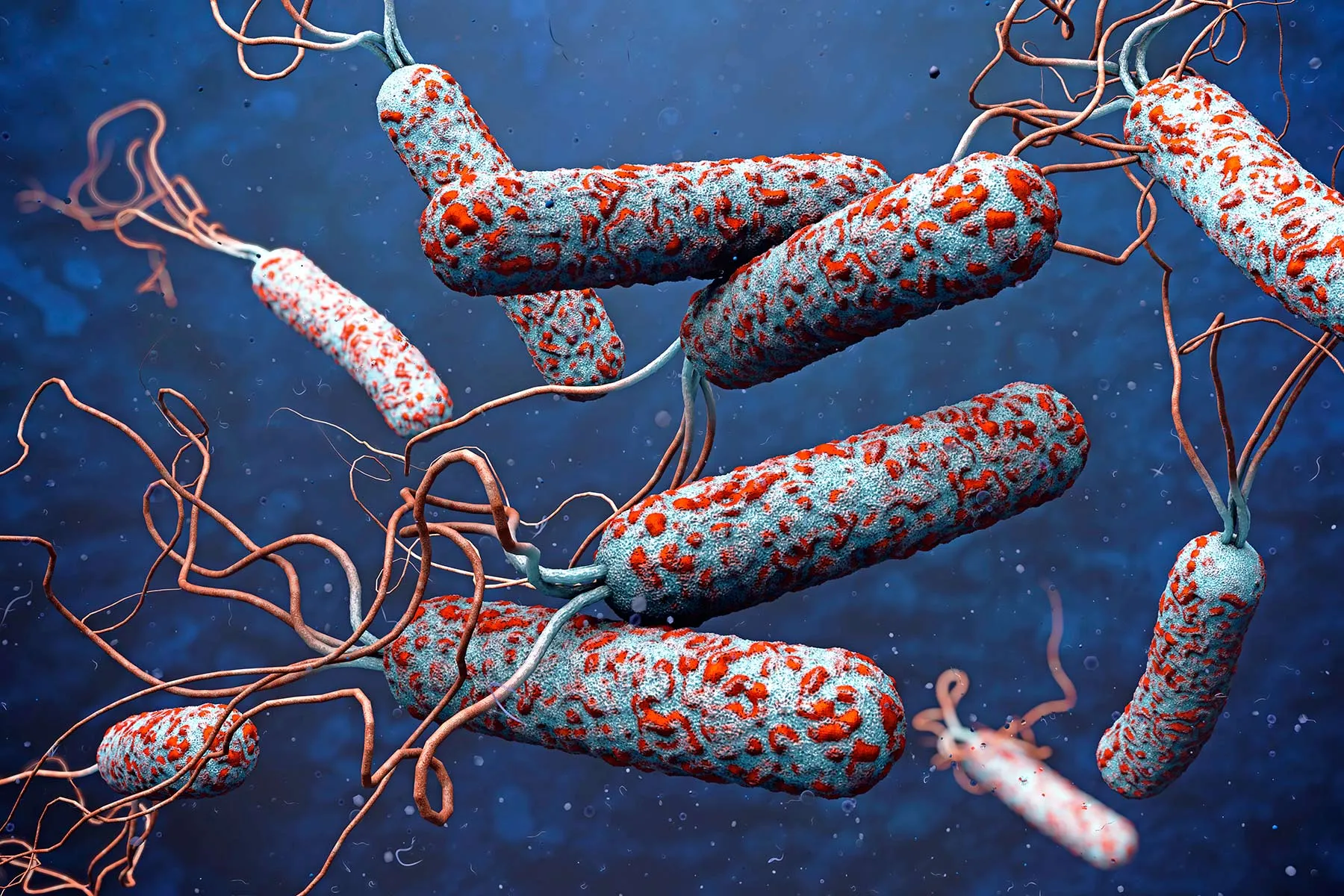
Nigeria’s cholera outbreak has affected 35 states and about 195 Local Government Areas, with more than 65,000 suspected cases recorded since the beginning of 2026, the Nigeria Centre for Disease Control and Prevention (NCDC) has disclosed.
The NCDC Director-General, Dr Jide Idris, disclosed the figure during a press briefing in Abuja, warning that the decline in weekly cases should not create a false sense of security as cholera transmission remains active across the country.
According to Idris, the number of reported cases has dropped considerably from the peak recorded earlier in the year, while the proportion of cases resulting in death is also significantly lower than the corresponding period in 2025.
Despite the improvement, the NCDC warned that Nigeria could experience another rise in infections between late August and October, a period when cholera transmission has historically increased. The agency identified the ongoing rainy season and flooding as major risks because contaminated floodwater can pollute water sources and overwhelm sanitation systems.
Borno State has recorded the highest burden of cholera cases so far this year. The NCDC said treatment outcomes have improved in communities where medical services were brought closer to affected populations, highlighting the importance of early access to care.
However, Idris stressed that treatment alone would not end the outbreak. He identified unsafe water, open defecation, damaged water infrastructure and poor sanitation in schools, markets and other public places as continuing factors driving cholera transmission.
He therefore called for sustained investment in water, sanitation and hygiene infrastructure, stronger water-quality monitoring and improved environmental health measures to prevent repeated outbreaks.
The NCDC also highlighted Enugu State as the only state yet to report a cholera case this year, attributing the situation to proactive measures taken by the state government. Idris urged other states to strengthen disease surveillance and respond quickly whenever suspected cases are detected.
The latest development comes as health authorities continue response activities in high-risk areas, including treatment support, disease surveillance, water and sanitation interventions and other measures aimed at preventing further transmission.
The NCDC has urged governments and communities to remain vigilant, particularly during the rainy season, stressing that preventing cholera requires not only prompt treatment but also access to safe water, proper sanitation and good hygiene practices.
Leave a Reply