
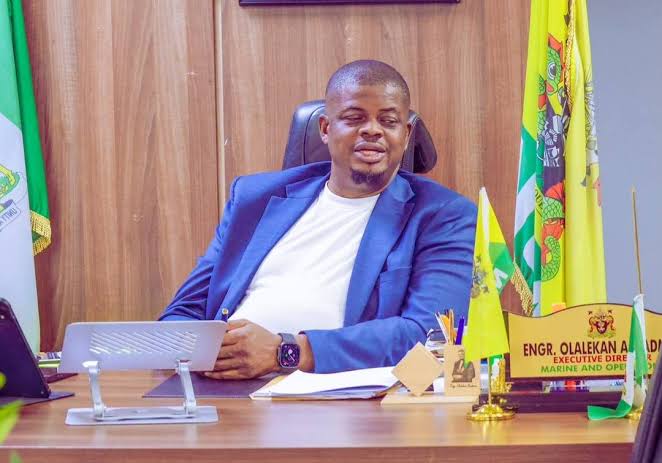
By: Engr. Olalekan Abdulrahman Badmus
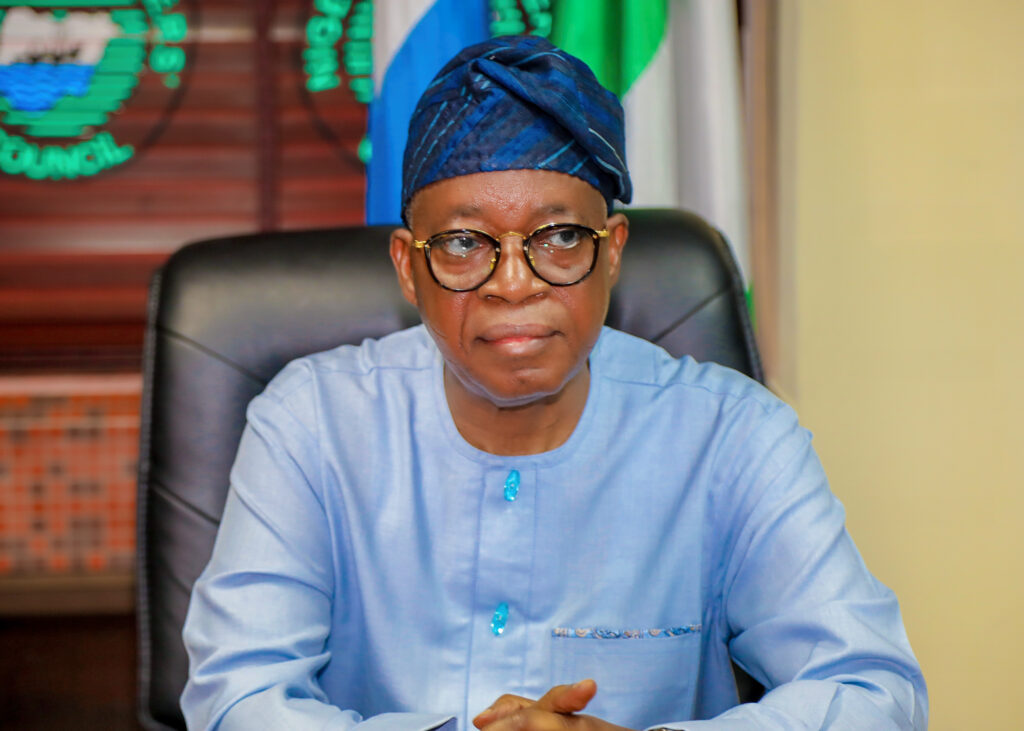
Adegboyega Oyetola is both a child of fate and a product of destiny. Things have happened FOR him, and things have happened THROUGH him. His path to excellence has never been smooth, but the world only sees the results, not the storms that forged them. He complains not, rants not. He lets capacity speak. Victory does not make him loud, defeat does not make him bitter — he simply moves on. That is why he is an anomaly in our politics.
At 72, the gentle man of steel from Iragbiji — the town of hills — remains unbowed. He is an unassuming leader — he takes people not where they want to go, but where they ought to be. While others enter a room with noise, Oyetola enters with ideas. He sits quietly, but his results roar. In a system that celebrates loudness, he made silence his strategy. He speaks little, yet he dominates every conversation.
During his NYSC in Potiskum, now Yobe State, between 1978 and 1979, the young Oyetola was invited to lecture at the Staff Training Centre. Even before completing his service year, multinational firms were already seeking him out. In 1980, he joined Leadway Assurance as Assistant Manager. He did not want to become Area Manager, but he was persuaded to take up the role. Before establishing his own firm, Silvertrust Insurance Brokers Limited, in 1991, he briefly served as Underwriting Manager at Crusader Insurance.
When the storm comes and thunder roars, people see the lightning and hear the thunder, but they often miss the quiet force driving it. Those who dismissed him as a sheep whose bleat unsettles a forest of lions have now come to understand his true strength.
Curiously, each time Adegboyega Oyetola has attained high office, he had to be persuaded to take it. He did not want to join politics as a successful corporate manager, but he was persuaded by friends that his ideas are needed in public office. He entered politics at 38, but never as a candidate. A founding member of the Alliance for Democracy (AD), he financed the party and provided its technical backbone.
He never wanted to be Chief of Staff to the Osun State Government, until Bola Tinubu — now President of the Federal Republic of Nigeria — and his caucus persuaded him: “It is time to step into public office and replicate for the public good the miracles you have achieved in the private sector.” That call made him leave the corporate world for public service.
As Chief of Staff, he wrestled with those who sought to bleed Osun dry. He would not allow political appointees to asphyxiate the state’s finances. Against all odds, he pulled Osun back from the brink of fiscal collapse, dismantled its mountain of bogus debt, and restored full salary payments.
He did not want to be Governor — progressives drafted him to save Osun from collapse. When he came on board, APC was losing by-elections across the state. He won his governorship and pulled Assembly and National Assembly candidates along with him.
He never denied his involvement in the previous administration or its mistakes. He inherited a state of half salaries and huge debts. He repositioned its finances, initiated a workable debt repayment plan, and reconfigured the financial flow of the state toward prosperity. He finished critical projects, fixed public schools, and canceled the controversial education policy. He stopped wasteful programs that gulped billions for nothing. The same man who rescued Osun is now making a new federal ministry the cynosure of all eyes.
He was misinterpreted and misjudged. Those who thought he would sacrifice governance for politics were wrong. He stepped on powerful toes, but he made Osun people happy.
He did not lobby to be Minister of Marine and Blue Economy; President Bola Tinubu drafted him to build the new ministry from scratch. Initially named Minister of Transportation by those who feared his quiet influence, attraction, and capacity, he survived their plot because the President stood firm. The mandate was clear: make Marine and Blue Economy a national prospect.
He delivered — quietly, as always.
He met a leaking purse and plugged it, not with new taxes but with technology and discipline. Revenue rose from N700.79 billion to N1.83 trillion in just two years.
He confronted what defied others for 20 years — the Apapa gridlock — and ended it with a digital access system and order. In his watch, Nigeria’s waters have known four unbroken years of zero piracy.
Beyond the ports, his touch was felt in the creeks and on the tables of ordinary people. Fish production climbed to 1.4 million tonnes, maritime workers earned a new N200,000 minimum wage, life jackets reached those who never had them, and wooden canoes gave way to fiberglass.
He secured $746 million to modernize Apapa and Tin Can, commissioned the Funtua Inland Dry Port, and opened the path for deep seaports across six states. He broke a 16-year jinx to birth the Regional Maritime Development Bank, saved port users N86 billion from unjust demurrage, and woke up the CVFF after 20 years of sleep — putting vessels back in Nigerian hands.
Hon. Adegboyega Oyetola is 72. For 16 unbroken years — as Chief of Staff, as Governor, and now as Minister — he has built people and built society. The home of two hills — Iragbiji — is filled with limitless joy and celebration. The son of the Chief Imam of Egbeda in Iragbiji has made his town proud. As he marks 72, his years in private and public service remind us that excellence and greatness are impossible without hard work.
Engr. Olalekan Abdulrahman Badmus, PhD, FNSE
Executive Director, Marine and Operations
Nigerian Ports Authority (NPA)
Leave a Reply