
Traditional Music in Yorùbá Land: From the Beginning to the Present.
Traditional music has always been an important part of life in Yorùbá land. Long before the arrival of modern recording technology, radio, television and digital platforms, music was already deeply woven into the social, cultural, religious and political life of the Yorùbá people.
It was not merely entertainment. Music was a means of communication, historical preservation, praise, worship, celebration, education and social commentary.
The Beginning
The origins of Yorùbá traditional music cannot be traced to one particular person or date. It developed gradually within communities and was passed from one generation to another through oral tradition.
In traditional Yorùbá society, music accompanied almost every important occasion. Births, naming ceremonies, marriages, funerals, festivals, royal ceremonies, hunting expeditions, farming activities and religious observances all had their distinctive musical expressions.
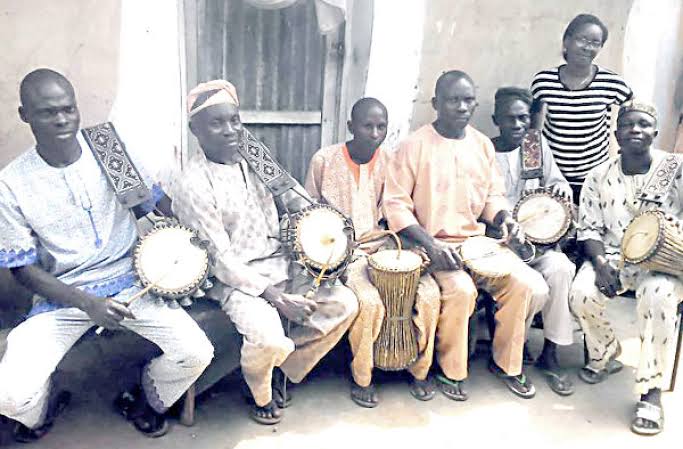
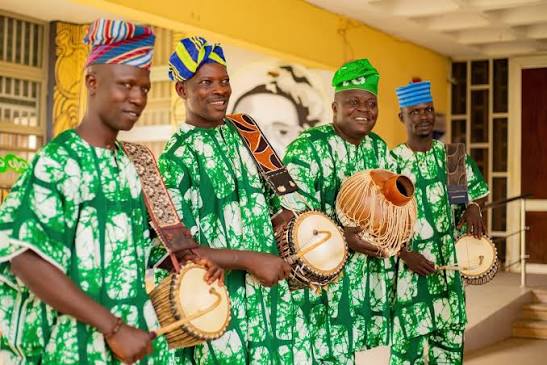
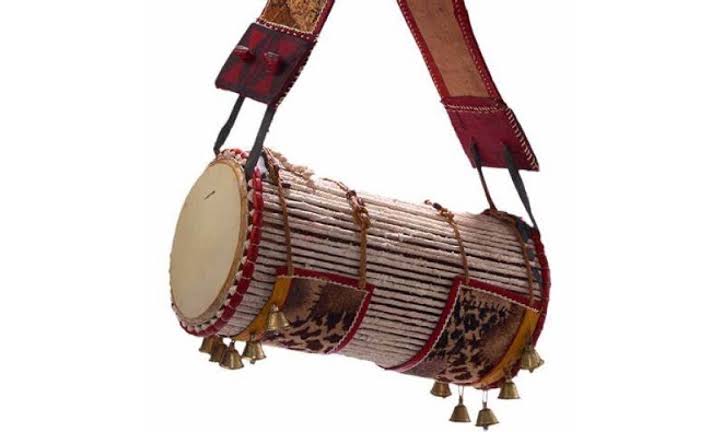
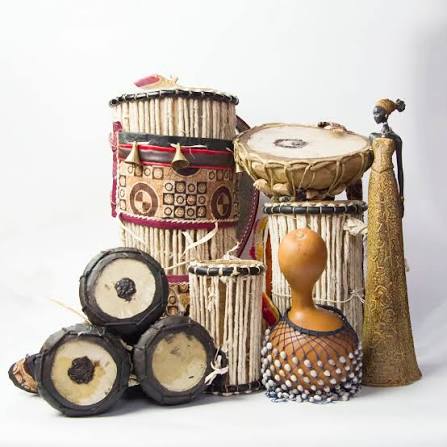
The drum occupied a central position. Instruments such as the dùndún (talking drum), bàtá, gúdúgúdú, omele, ìgbìn, agogo, sekere and various flutes became important parts of the musical tradition.
The Talking Drum and the Yorùbá Language
One of the remarkable features of Yorùbá traditional music is the relationship between music and language.
The dùndún, popularly called the talking drum, can imitate the tonal patterns of the Yorùbá language. Skilled drummers can therefore reproduce praise names, proverbs and spoken expressions through rhythm and pitch.
This made the drummer more than a musician. He could serve as a historian, messenger, entertainer and custodian of oral tradition.
Royal courts particularly valued drummers and praise singers. They preserved the histories and achievements of kings, chiefs, warriors and important families through oríkì—praise poetry.
Music as History
Before written records became widespread, Yorùbá communities depended heavily on oral tradition.
Songs and praise poetry helped preserve:
The history of communities and families
Genealogies and royal traditions
Stories of heroes and warriors
Proverbs and traditional wisdom
Religious beliefs
Moral instructions
Community values
An elderly person could teach a younger generation an important historical event through a song, while an àkọ́dà or praise singer could preserve the identity and achievements of a family through oríkì.
Religious and Ceremonial Music.
Traditional Yorùbá music was also closely connected with spirituality.
Different òrìṣà traditions had their own rhythms, songs and instruments. Music accompanied ceremonies associated with deities such as Ṣàngó, Ọ̀ṣun, Ọ̀rúnmìlà, Ọ̀gún, Yemọja and others.
Music created an atmosphere for dancing, invocation, praise and communal participation.
Festivals such as Ọ̀ṣun-Òṣogbo, traditional Egúngún celebrations and various community festivals continue to demonstrate the relationship between music, culture and spirituality.
The Era of Palm-Wine and Early Popular Music
As Yorùbá society changed through urbanisation and contact with other cultures, traditional musical forms began to interact with new influences.
Palm-wine music became popular, particularly in southwestern Nigeria. Musicians combined indigenous rhythms and instruments with elements of guitar-based music.
This period helped create a bridge between strictly traditional music and modern popular music.
Highlife, Juju and Apala
By the twentieth century, Yorùbá musicians began developing new forms from the combination of traditional musical ideas and foreign influences.
Jùjú music became particularly important. Artists such as Tunde Nightingale and later I. K. Dairo helped establish the genre, while instruments such as talking drums, sekere, guitar and keyboard became increasingly important.
Apàlà emerged strongly from Muslim/Yorùbá communities and was associated with artists such as Tatalo Alamu and later Haruna Ishola, whose work became highly influential.
Other forms, including Fújì, Wákà, Sákárà and Àwúrẹ̀be, also developed distinctive identities.
Fuji and the Transformation of Yorùbá Music
Fújì represents one of the most significant developments in modern Yorùbá music.
The genre developed from the Muslim were tradition, particularly music associated with Ramadan and other religious periods. Over time, musicians transformed it into a major popular genre.
Artists such as Sikiru Ayinde Barrister played a major role in establishing and popularising Fuji, while later musicians expanded its sound, performance style and audience.
Sikiru Ayinde Barrister became particularly influential in the development of Fuji music.
Other major Fuji musicians, including Wasiu Ayinde, continued to develop the genre, incorporating new instrumentation, sophisticated arrangements and contemporary subjects.
Traditional Music in the Present Day
Today, Yorùbá traditional music exists in two worlds.
The first is the traditional community setting, where music remains part of festivals, royal ceremonies, religious events, marriages, funerals and other cultural activities.
The second is the modern entertainment industry, where traditional rhythms have been incorporated into Fuji, Juju, Afrobeat, Afropop and other contemporary Nigerian genres.
Modern musicians increasingly combine talking drums, bàtá, sekere and indigenous vocal styles with synthesizers, electric guitars, electronic drums and digital production.
From the Village Square to Spotify and YouTube
Perhaps the greatest change is the way Yorùbá music reaches its audience.
A traditional musician once depended largely on physical gatherings and community events. Later came gramophone records, cassettes, radio and television.
Today, a Yorùbá musician can record a song in a studio in Ibadan, Osogbo, Lagos or Ile-Ife and reach listeners in London, New York, Johannesburg and other parts of the world through YouTube, Spotify, Apple Music, TikTok and social media.
Technology has therefore expanded the audience for Yorùbá music beyond Yorùbá land.
What Has Not Changed?
Despite the enormous changes, some fundamental characteristics remain.
The Yorùbá musician still uses music to tell stories, praise, criticise, educate, celebrate, remember and communicate.
The proverb remains important.
Oríkì remains important.
The drum remains important.
The Yorùbá language remains a powerful instrument of musical expression.
And music continues to connect generations.
Conclusion
The story of traditional music in Yorùbá land is therefore not simply a story of the past. It is a story of evolution.
From the ancient drummer in the palace courtyard to the modern Fuji performer on a concert stage; from the bàtá ensemble at a traditional festival to a digitally produced song released worldwide, Yorùbá music has continually adapted without completely abandoning its roots.
The challenge today is to ensure that modernization does not lead to the disappearance of the knowledge behind the music. Young people need to learn not only how to enjoy the sound, but also the history, language, instruments, rhythms, stories and cultural meanings behind it.
Traditional Yorùbá music began as the voice of the community. Today, that voice has travelled beyond Yorùbá land—but its roots remain firmly in the culture, history and identity of the Yorùbá people.
Leave a Reply